UC Berkeley Study Finds Hayes Promenade Turns Hayes Street Into a Thriving Public Space
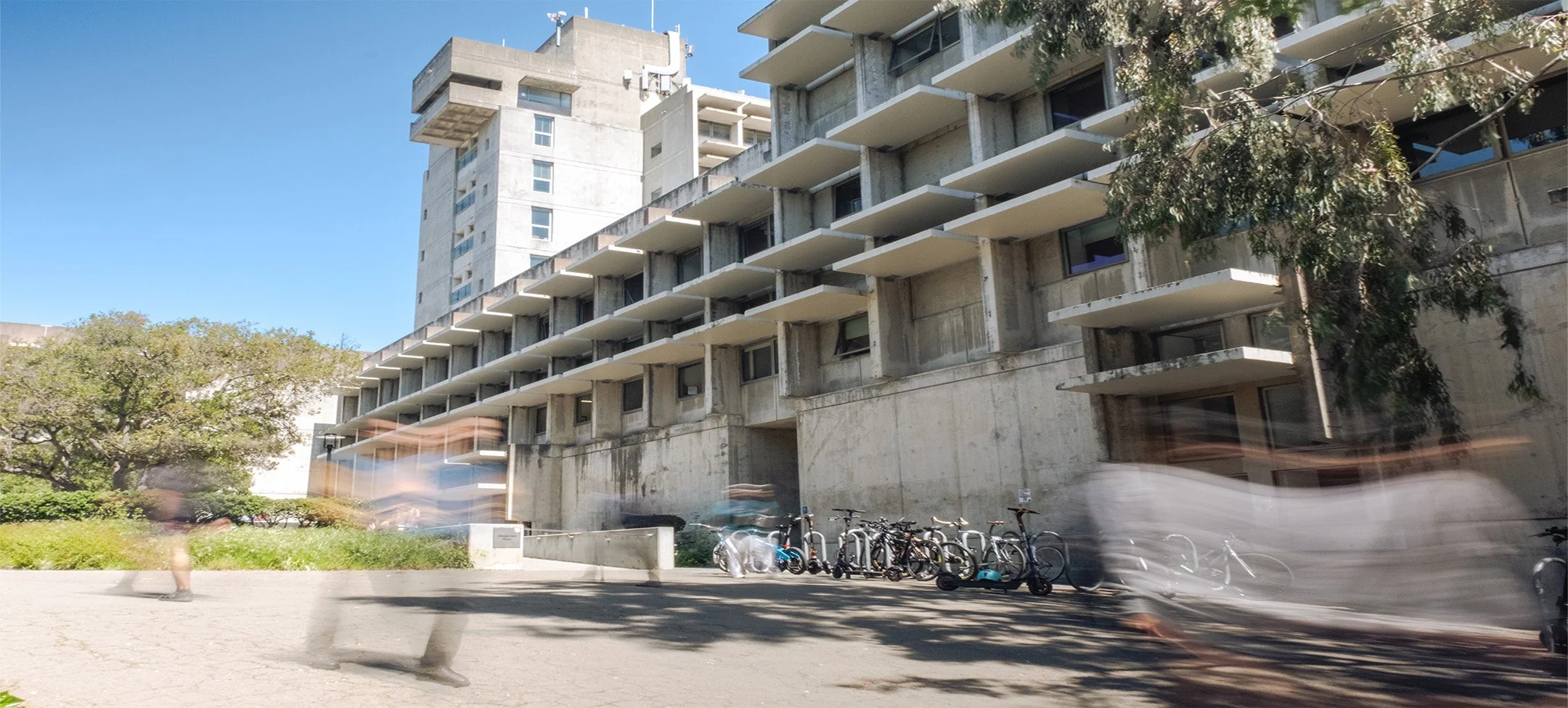
A new study by graduate researchers at UC Berkeley’s College of Environmental Design finds that Hayes Promenade Strengthens Community, Local Businesses, and Public Life.
The study compared Hayes Street under three conditions—normal traffic days, weekend closures, and event days—and found that a pedestrianized Hayes Street fundamentally changes how people use the space. Instead of simply passing through, people linger, gather, and spend time in the neighborhood, with visitors typically staying one to two hours during promenade activations.
The promenade also broadens who uses the street. Families with children, seniors, and visitors all appear more frequently when the street is open for people. Parents surveyed in the study reported that the safer environment is a key reason they visit regularly.
Local businesses benefit as well. On regular traffic days, activity concentrates around a handful of destinations. During promenade closures, the energy spreads throughout the corridor, activating 10–12 businesses on typical closure days and up to 14 during event days, expanding foot traffic beyond the usual hotspots.
The study concludes:
“Closure provides the condition, activities provide social richness, and hotspots anchor behavior, together encouraging community-oriented use beyond simple movement or consumption.”
As San Francisco looks for ways to create safer, more vibrant streets, Hayes Promenade demonstrates that people-first streets work—and the community wants them to continue.